
DevelopingConflictTimeline
Israel–Hezbollah War
Updated 86 updatessince 188 outlets
The ongoing saga of the Israel-Hezbollah War involves escalating tensions and military actions following a maritime border agreement between Israel and Lebanon. Currently, negotiations are ongoing with the U.S. mediating talks.
Timeline
Now
Israel Releases Malek Kamal Ghazi to Lebanon
De-escalationIsrael released Malek Kamal Ghazi, the first prisoner handed over during the current conflict with Hezbollah, to the Lebanese army via the Red Cross.
7 sources · Washington Times, Twin Cities
American official confirmed that the U.S.-brokered framework agreement between Israel and Lebanon will soon shift to technical discussions in Rome, providing a pathway for more detailed negotiations following the recent ceasefire deal
7 sources · BBC, Reuters
Lebanon's government has confirmed it will participate in the upcoming talks in Rome, signaling a willingness to engage diplomatically with Israel.
4 sources · New York Times, AP
Lebanon's government is insisting on Israel's withdrawal as a prerequisite for attending the upcoming talks in Rome.
6 sources · New York Times, Reuters
White House invites Joseph Aoun
New FactsWhite House has confirmed an invitation for Lebanese President Joseph Aoun to visit on July 21, marking a significant moment for US-Lebanon relations amid recent tensions and internal challenges following the maritime agreement with Israel
6 sources · Financial Times, New York Times
Hamas announced today that it has dissolved its governing bodies in Gaza, transferring administrative power to a technocratic committee chaired by Palestinian technocrat Ali Shaath.
3 sources · Reuters, CNN
Israeli airstrikes in southern Lebanon resulted in the deaths of four people, including a school principal, according to the Lebanese health ministry.
6 sources · Reuters, BBC
Israeli Defense Forces engaged Hezbollah positions in southern Lebanon today, targeting 10 infrastructure sites after a soldier was injured in an exchange with a gunman.
7 sources · BBC, New York Times
Syria's government declared today that it will not engage in military intervention in Lebanon despite U.S. urging to take action against Hezbollah.
8 sources · Reuters, The Guardian
Protests erupted across multiple cities in Lebanon as citizens rallied against the US-supported framework agreement with Israel signed on June 26.
4 sources · Reuters, BBC
Hezbollah Rejects U.S.-Brokered Truce
EscalationHezbollah officially rejected the U.S.-brokered ceasefire agreement with Israel, labeling it as 'null and void' shortly after the announcement of a truce.
6 sources · BBC, New York Times
Israel launched airstrikes on Hezbollah targets in the Dahiyeh neighborhood of Beirut on June 14, killing at least three people.
6 sources · Reuters, BBC
Israel and Lebanon Agree to New Cease-fire Deal
De-escalationIsrael and Lebanon have negotiated a new cease-fire deal that mandates Hezbollah to halt its attacks.
7 sources · New York Times, BBC
Israeli Strikes Kill 17 in Tayr Debba
EscalationIsraeli airstrikes targeted the town of Tayr Debba in southern Lebanon today, resulting in the deaths of 17 people, according to Lebanon's state news agency.
4 sources · BBC, The Guardian
Israel Strikes Beirut After Trump Talks
EscalationIsraeli airstrikes targeted Hezbollah positions in Beirut after U.S. President Donald Trump announced a potential agreement for both sides to dial back fighting.
3 sources · Reuters, BBC
Israel launched airstrikes on Hezbollah positions in Beirut today, marking a significant escalation as it is the first attack since the ceasefire was established in November 2024.
12 sources · Reuters, BBC
Israeli attack hit a residential building in the Corniche al Mazraa area of Beirut on April 8, resulting in casualties and further complicating the fragile situation between Israel and Lebanon.
3 sources · New York Times, NPR
Hezbollah is facing severe losses and displacement amid ongoing conflict, leading to a growing political backlash in Lebanon as the group attempts to regain influence.
4 sources · New York Times, Reuters
Lebanon and Israel agree cease-fire
De-escalationCease-fire agreement between Lebanon and Israel was reported, but doubts remain about whether both parties are honoring the terms.
6 sources · New York Times, Reuters
Israel and Hezbollah Agree to Halt Fighting
De-escalationIsrael and Hezbollah reached an agreement to halt the intense fighting that had been ongoing in southern Lebanon, coinciding with ongoing U.S.-Iran talks. Both sides confirmed the cessation of hostilities amidst rising regional tensions.
4 sources · Reuters, NPR
Lebanese government initiated peace talks with Hezbollah, seeking to secure the group's support for the recently brokered maritime border agreement with Israel.
4 sources · NPR, Reuters
Hezbollah's senior official announced that the group will not abide by any agreements made during the upcoming direct talks between Israel and Lebanon, which are taking place in Washington, DC.
6 sources · Reuters, New York Times
Israeli airstrikes on Lebanon have resulted in the deaths of over 250 people, sparking calls for direct talks between Israel and Lebanon's government as regional tensions escalate.
4 sources · Reuters, The Guardian
Israel's efforts to disarm Hezbollah have gained renewed attention, coinciding with the fragility of the U.S.-Iran ceasefire, where attacks continue across the region.
8 sources · BBC, New York Times
Israeli forces declared control over southern Lebanon today, a move that reflects escalating military engagements following the launch of their campaign against Iran.
13 sources · Reuters, New York Times
Hezbollah is experiencing significant backlash from its Shiite Muslim base in Lebanon, as reported anger grows over the ongoing war with Israel, leading to over 1 million people fleeing the conflict.
3 sources · New York Times, Washington Post
Israeli Officials Signaled an Intention
EscalationIsraeli officials signaled an intention to intensify military operations in Lebanon, despite Lebanon's attempts to engage in direct talks for de-escalation.
14 sources · BBC, NPR
Israel issued evacuation orders for southern Lebanon following Hezbollah and Iran's coordinated attacks on more than 50 targets, including Israeli military installations.
8 sources · New York Times, Reuters
Israel Strikes Tehran Amid Trump Demands
EscalationIsraeli forces conducted airstrikes in Tehran today as part of their military campaign against Iran.
19 sources · Reuters, NPR
Trump Demands Iran's Surrender
EscalationDonald Trump called for Iran's 'unconditional surrender', intensifying diplomatic tensions while Israel conducted military strikes on Hezbollah positions in Lebanon.
5 sources · Bloomberg, NPR
Israel attacks Beirut, targets Tehran
EscalationIsraeli military forces initiated a broad-scale attack on Hezbollah strongholds in Beirut, Lebanon, and also targeted locations in Tehran, Iran.
7 sources · New York Times, NPR
Israel ends cease-fire with strikes
EscalationIsraeli forces struck Hezbollah positions in Lebanon, marking the end of a cease-fire that had lasted for over a year.
5 sources · New York Times, Reuters
Hezbollah Launches Attacks on Israel
EscalationHezbollah launched attacks on Israel, reportedly at the behest of Iran, prompting Israeli retaliation and resulting in mass displacements within Lebanon.
7 sources · New York Times, Reuters
Lebanon Bans Hezbollah Military Actions
EscalationLebanon's government officially banned military actions by Hezbollah after the group retaliated against Israel, emphasizing a shift in national policy aimed at regaining control over militant activities.
5 sources · BBC, New York Times
US War With Iran Begins
OriginU.S. and Israel officially launched a military campaign against Iran on Saturday, resulting in immediate regional ramifications.
18 sources · NPR, New York Times
Hezbollah's leadership issued a warning today, stating that an attack on Iran's leader would be treated as a serious provocation, indicating their readiness to engage.
7 sources · New York Times, BBC
Israeli officials issued a stark warning to Lebanon today, stating that if Hezbollah intervenes in any US-Iran conflict, Israel will respond with significant strikes targeting civilian infrastructure, including Beirut's airport.
10 sources · Reuters, New York Times
Lebanon Condemns Israeli Airstrikes
New FactsLebanese military commander Joseph Aoun condemned recent Israeli airstrikes on southern and eastern Lebanon, labeling them a 'blatant act of aggression aimed at thwarting diplomatic efforts'.
5 sources · Reuters, BBC
Hezbollah is intensifying efforts to hinder disarmament through military and political means, underscoring the complexity of the situation in Lebanon.
8 sources · New York Times, Reuters
Hezbollah's absence from the Twelve-Day War last June was highlighted, raising questions about their strategic priorities and military readiness against Israel.
6 sources · New York Times, PBS
Israel's government enforced a ban that prevents foreign journalists from entering the Gaza Strip since the start of the war.
8 sources · BBC, Reuters
President Trump expressed strong opposition to Iran's plans to execute protesters, stating that the U.S. would take decisive actions if such events occurred.
20 sources · BBC, New York Times
Lebanese Army reported advancements in extending state authority, coinciding with ongoing border tensions with Israel.
20 sources · New York Times, Reuters
Israeli airstrikes targeted southern Lebanon again on January 12, 2026, despite a ceasefire established in November 2024 intended to de-escalate tensions with Hezbollah.
8 sources · BBC, Reuters
Lebanese Army Completes Phase One Disarmament
De-escalationLebanese army completed the first phase of its disarmament plan aimed at Hezbollah weapons today, marking a significant step in its efforts to regain control in southern Lebanon.
7 sources · Al Jazeera, Understandingwar
Israel's government commented on Lebanon's completion of the first phase of its disarmament plan, describing the progress as encouraging but insufficient.
5 sources · Reuters, AP
Lebanon Army Claims Control of South
New FactsLebanese army announced it has gained operational control over southern Lebanon as tensions with Israel and Hezbollah continue.
7 sources · Reuters, France 24
Lebanese President Aoun asserted that the repeated Israeli airstrikes are undermining military efforts to stabilize southern Lebanon and control Hezbollah and Hamas activities.
6 sources · France 24, Criticalthreats
Israel executed airstrikes targeting Hezbollah and Hamas positions in Lebanon on January 5, 2026, just days before Lebanese army commander Joseph Aoun is scheduled to report on disarmament strategies involving Hezbollah.
9 sources · BBC, The Guardian
Israel launched airstrikes against suspected Hezbollah sites in southern Lebanon on December 24, 2025, as tensions rise with a December 31 deadline for Hezbollah's disarmament.
8 sources · Reuters, The Guardian
Lebanon's government has directed the army to prepare a detailed plan to disarm all armed factions within the country, including Hezbollah.
5 sources · New York Times, Reuters
Today's analysis from the Carnegie Endowment for International Peace focuses on the overarching competitive nature of Middle Eastern politics regarding Israel and Hezbollah.
4 sources · NPR, Reuters
Israel launched a series of near-daily attacks on Hezbollah positions across Lebanon, further straining the already precarious ceasefire established in 2024.
7 sources · Reuters, BBC
Israel conducted airstrikes across southern and northeastern regions of Lebanon on December 18, 2025.
7 sources · BBC, Wall Street Journal
Lebanese militant group Hezbollah has been given a deadline of December 31 to disarm, according to a ceasefire agreement.
5 sources · BBC, New York Times
Lebanon Fears Return to All-Out War
New FactsLebanese officials raised alarms about the possibility of returning to all-out war with Israel, citing Hezbollah's refusal to disarm as a major concern.
6 sources · New York Times, NPR
Israel Hits Multiple Towns in Lebanon
EscalationIsrael launched airstrikes targeting multiple towns in southern Lebanon, specifically in Jbaa, as part of its intensified military operations against Hezbollah.
7 sources · BBC, New York Times
Officials from Israel confirmed an airstrike on Beirut that resulted in the death of senior Hezbollah official Imad Mughniyeh, along with at least five others, and left 28 individuals wounded.
3 sources · New York Times, NPR
Analysis has emerged focusing on the challenges of disarming Hezbollah within the context of Lebanon's state-building efforts.
22 sources · Reuters, Washington Post
Israeli Airstrikes Intensify in Lebanon
EscalationIsraeli military operations intensified on November 19, 2025, as airstrikes in southern Lebanon resulted in at least one death.
8 sources · Reuters, The Guardian
Israeli Strike Kills Thirteen in Sidon
EscalationIsraeli airstrike on the southern Lebanese city of Sidon killed 13 people and injured several others, according to the Lebanese Health Ministry.
15 sources · BBC, Reuters
Israel has constructed a new section of wall occupying 4,000 square meters of southern Lebanese territory, north of the UN-delineated Blue Line.
5 sources · Reuters, AP
Israel Defense Forces confirmed in a statement that their operations against Hezbollah are ongoing, asserting their commitment to the ceasefire agreement only if it is upheld.
4 sources · Reuters, BBC
Israeli officials have expressed alarm over Hezbollah's rearming efforts, prompting increased strikes and pressure on Beirut to take action.
17 sources · Reuters, The Economist
Israel Launches Airstrikes Despite Truce
EscalationIsraeli forces carried out airstrikes on three towns in southern Lebanon today.
22 sources · Reuters, The Guardian
Israel's defense minister publicly accused the Lebanese government of stalling disarmament efforts regarding Hezbollah, claiming a lack of cooperation.
6 sources · New York Times, BBC
Lebanese President Joseph Aoun ordered the military today to confront Israeli incursions after a deadly raid conducted by the IDF that was reportedly targeting Hezbollah infrastructure.
17 sources · Reuters, The Guardian
Washington Institute reported on President Trump's role in the Gaza ceasefire negotiations, indicating that his administration's influence could shape Israel's political landscape and future stability in the region.
13 sources · Reuters, Washington Post
2023, the political landscape in Israel, Lebanon, and Syria has shifted dramatically.
10 sources · Washington Post, Al Jazeera
U.S. President Trump announced a proposed ceasefire deal aimed at addressing the ongoing conflict between Israel and Palestine, sparking cautious optimism among citizens in both regions.
17 sources · BBC, NPR
Prime Minister Netanyahu addressed the United Nations today, asserting that the growing global opposition against Israel's military actions is rooted in antisemitism and fueled by 'libelous lies.
11 sources · New York Times, Washington Post
Hassan Nasrallah, Hezbollah's leader, was killed in a recent Israeli Defense Forces (IDF) strike, leading to mass casualties and significant disruption within the group.
8 sources · NPR, Reuters
Reports indicate that Hezbollah, while weakened from ongoing military actions by Israel, is still managing to pay its fighters and sustain social services through a consistent inflow of $60 million monthly from Iran.
6 sources · New York Times, Al Jazeera
Israeli drone strike in southern Lebanon killed five people, including three children, as reported by Lebanon's Health Ministry on September 21, 2025.
5 sources · New York Times, Reuters
Israel warned residents in southern Lebanon to evacuate areas targeted for imminent strikes against Hezbollah.
7 sources · New York Times, BBC
Israel Kills IRGC Commander in Lebanon
EscalationIsrael's military operations escalated as it killed Wissam Saeed Jubai, a member of the Islamic Revolutionary Guard Corps and Hezbollah, in southern Lebanon.
6 sources · NPR, AP
Israel Targets Hamas Leaders in Qatar
EscalationIsrael executed a surprise operation in Qatar, striking at Hamas' senior political figures.
8 sources · NPR, Reuters
Lebanon's government has approved a U.S. plan to disarm Hezbollah, aiming for completion by the end of the year.
8 sources · New York Times, Reuters
Gulf Arab states criticized Israel's growing influence in the Middle East as the Trump administration continues to promote the Abraham Accords.
14 sources · New York Times, Reuters
U.S. Envoy Thomas Barrack put forth a proposal targeting the disarmament of Hezbollah, marking a pivotal moment in the U.S. approach to Lebanese policy.
4 sources · AP, BBC
International Crisis Group reported that a truce between Iran and Israel is currently in effect but is precarious following a twelve-day conflict that took place in June.
3 sources · New York Times, BBC
Israeli Strikes Kill 12 in Lebanon
EscalationIsraeli airstrikes on July 15, 2025, targeted military compounds in eastern Lebanon, resulting in the deaths of 12 people, including five Hezbollah fighters.
5 sources · Reuters, BBC
Israel invades southern Lebanon
EscalationIsrael began a new ground incursion into southern Lebanon, conducting strikes against Hezbollah targets as part of its ongoing military operations.
5 sources · BBC, New York Times
U.S. envoy stated that he was 'unbelievably satisfied' with the response of the Lebanese government to a proposal concerning the disarmament of Hezbollah.
5 sources · Reuters, AP
On September 27, 2024, Israel carried out a large airstrike on Hezbollah’s central headquarters in Beirut’s southern suburbs, destroying multiple buildings and causing casualties. The strike was reported as triggering a new, intensified phase of exchanges between Israel and Hezbollah.
1 source · AP
On October 13, 2022, Lebanese President Michel Aoun announced Lebanon's acceptance of a US-brokered maritime border agreement with Israel that defined disputed offshore boundaries and opened the way for gas exploration.
1 source · Al Jazeera
- Origin Oct 13, 2022
The story so far
As of September 3, 2026
This is the cross-border Israel–Hezbollah war, now in a sustained phase along Israel’s northern frontier and into Lebanon, pitting the Israeli military against the Iran-backed militia and its network in southern Lebanon and Beirut’s Dahiyeh. The fight centers on deterrence, cross-border fire, and control of the border area, with stakes that include civilian safety, the risk of a wider regional clash, and the shape of ceasefire diplomacy that Washington is trying to turn into an implementation plan.
The battlefield has not quieted despite a framework on the table. On July 4, the IDF struck 10 Hezbollah sites in southern Lebanon after an Israeli soldier was injured in an exchange with a gunman. On July 6, Israeli airstrikes in southern Lebanon killed four people, including a school principal, the latest reminder that civilians remain exposed as strikes continue into areas beyond the immediate front. Hezbollah has rejected the U.S.-backed agreement, and Syria has said it will not intervene militarily, narrowing the theater to the Israel–Hezbollah line while removing a second-state front from the near term.
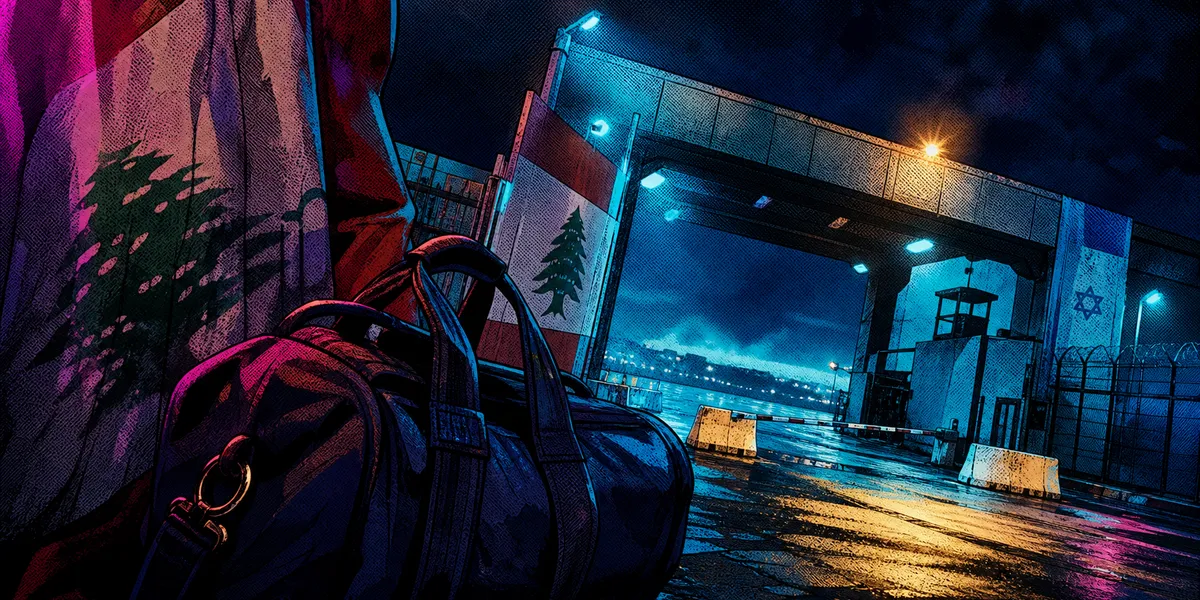
A narrow side channel has opened around humanitarian files even as broad end-of-war talks stall. Israel agreed to release five Lebanese civilians it detained in southern Lebanon after Lebanon assisted in searches for long-missing remains from the civil war era, including Lebanese Jewish community leaders killed in the 1980s. On September 3, the first detainee, Malek Kamal Ghazi, was handed to the Lebanese army by the Red Cross at the Naqoura crossing, with four more due the same day. Separately, a new round of technical talks on a U.S.-brokered outline for a ceasefire and border rules is scheduled in Rome this month.
What this story has turned into is a contest between facts on the ground and an implementation map that tries to fix sequencing. The immediate stakes are specific and linked: how far and how fast Israel pulls back, what restrictions are imposed on Hezbollah’s positions and fire near the border, and how the Lebanese state inserts its army without triggering internal fracture. The prisoner handover tied to remains searches shows both sides are willing to trade in limited, concrete steps that relieve pressure and create leverage while they fight over the core terms the Rome process aims to codify. Syria’s refusal to enter the war reduces the risk of a wider spillover and keeps the pressure squarely on the border corridor and the talks meant to change it.
Each entry is synthesized by AI from the reports linked on it, and labeled with the kind of change it represents. How Frameshift works · What the labels mean · Report an error
In the app
Read this timeline in Frameshift
Four stories are free on the web. The full Vault, with every timeline and brief, is in the app.