
DeadBusinessTimeline
OPEC+ Output Strategy
Updated 9 updatessince 32 outlets
The OPEC+ alliance is navigating production cuts and increases in response to global oil demand shifts and geopolitical tensions, with recent plans to boost quotas amid rising production in the Gulf region.
Timeline
Now
OPEC+ confirmed on July 5, 2026, that seven member nations, including Saudi Arabia and Russia, will increase their oil production by 188,000 barrels per day effective August 2026.
6 sources · Reuters, AP
OPEC Oil Output Jumps in June
EscalationOPEC reported a notable increase in oil production in June, attributed to Gulf producers regaining their production levels.
9 sources · Reuters, Bloomberg
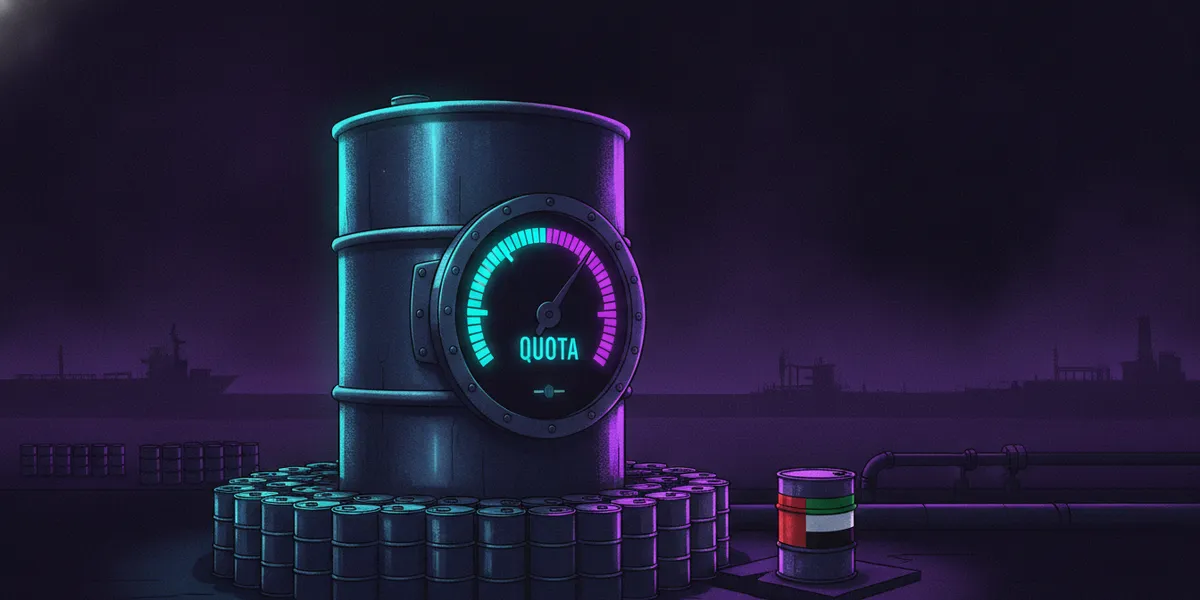
United Arab Emirates has decided to break away from many of its obligations within OPEC, influenced by increased U.S. fracking activity and geopolitical tensions related to the Iran war.
4 sources · Reuters, New York Times
OPEC+ Plans Production Quota Increase
EscalationOPEC+ members announced intentions to raise production quotas for May amid ongoing conflicts disrupting oil production in the Middle East.
5 sources · Reuters, Bloomberg
OPEC+ Maintains Production Levels for Q1 2026
De-escalationOPEC+ opted to hold oil production levels steady for the first quarter of 2026 during its meeting on November 30, 2025.
6 sources · Bloomberg, Reuters
Crude oil sinks to four-month low
New FactsOPEC published the Monthly Oil Market Report for October 2025, revealing that crude oil prices have reached a four-month low, with implications for global markets and economies.
5 sources · Reuters, Bloomberg
OPEC+ announced a production increase planned for November, which was less than market expectations.
8 sources · Reuters, New York Times
Crude Oil Prices Drop to Four-Month Low
De-escalationCrude oil prices declined to their lowest level in four months due to various factors, including the ongoing fluctuations in global demand and the impact of prior OPEC+ production cuts.
7 sources · Reuters, Bloomberg
At a ministerial meeting in Vienna on October 5, 2022, the OPEC+ alliance announced a collective cut of two million barrels per day in production beginning in November. That decision immediately moved global oil markets and prompted political responses, including U.S. statements of disappointment and releases from…
1 source · Al Jazeera
- Origin Oct 5, 2022
The story so far
As of July 5, 2026
This is a yearlong struggle inside OPEC+ over how much oil to put on the market as prices soften, wars disrupt supply, and unity is tested by the United Arab Emirates. The fight centers on production quotas and coalition discipline, with stakes for global fuel costs, inflation, and oil-state revenues.
Last fall the alliance signaled caution, approving a smaller-than-expected November hike as crude fell to a four-month low, then holding production steady for the first quarter of 2026. Springtime conflict in the Middle East squeezed output and transit, and OPEC+ flagged quota increases for May to stabilize supply as Hormuz exports started to recover. Unity frayed when the UAE broke from OPEC discipline, stepping away from key obligations and unsettling enforcement.
Since then the supply side has loosened. OPEC production climbed in June as Gulf producers brought barrels back, Saudi crude exports hit their highest since 2023, and US output set another high in July. OPEC+ has cleared seven members, led by Saudi Arabia, Russia, and Kuwait, to add a combined 188,000 barrels per day starting in August as part of a planned series of modest hikes. Saudi crude prices to Asia were reduced, a signal that market share is being defended even as quotas ease.
What this has turned into is a test of control in a market that looks near oversupply. The facts now explaining the rest are the UAE’s break with quotas, the visible return of Gulf barrels, and record non-OPEC supply, which together cap prices and limit the payoff from restraint. The real measure of the strategy will be whether the August increases show up in export flows and inventories, and whether other producers follow the plan rather than the price.
Each entry is synthesized by AI from the reports linked on it, and labeled with the kind of change it represents. How Frameshift works · What the labels mean · Report an error
In the app
Read this timeline in Frameshift
Four stories are free on the web. The full Vault, with every timeline and brief, is in the app.