
DevelopingPoliticsTimeline
The 2026 U.S. Executions
Updated 10 updatessince 156 outlets
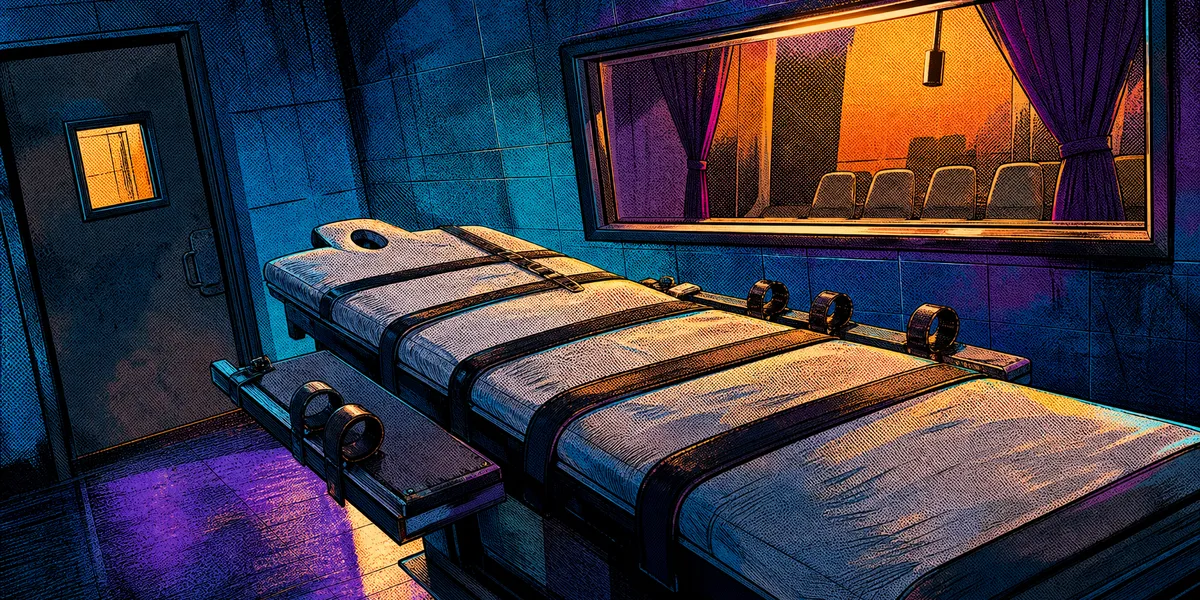
The 2026 U.S. Executions saga chronicles a series of lethal injections carried out in multiple states for various capital crimes, reflecting ongoing debates around the death penalty as several executions occurred in August 2026.
Timeline
Now
Alabama executed Jeremy Williams by lethal injection on August 13, 2026, for the capital murder of 5-year-old Kamarie Holland in 2021.
16 sources · New York Times, NPR
Oklahoma executed Carlos Cuesta-Rodriguez on August 13, 2026, for the 2003 murder of his common-law wife, Olimpia Fisher.
20 sources · New York Times, NPR
Tennessee executed Anthony Darrell Hines by lethal injection on August 13, marking his death after 40 years on death row for the 1985 murder of Catherine Jenkins.
20 sources · BBC, New York Times
Florida executed James Duckett, a former police officer, by lethal injection for the 2000 rape and murder of an 11-year-old girl.
32 sources · AP, New York Times
Arizona executed Leroy Dean McGill by lethal injection on May 20, 2026. McGill was convicted for a 2002 murder in which he killed a man by throwing gasoline on him and igniting it.
18 sources · AP, Fox News
Michael King Executed for 2008 Murder
EscalationMichael Lee King, 54, was executed by lethal injection on March 17, 2026, at Florida State Prison.
37 sources · ABC News, CBS News
Billy Leon Kearse, 53, was executed by lethal injection at Florida State Prison at 6:24 p.m. on March 3, 2026. Kearse was convicted in 1991 for the murder of Fort Pierce Police Officer Danny Parrish, who he shot during a traffic stop.
35 sources · AP, CBS News
Melvin Trotter, aged 65, was executed by lethal injection in Florida at 6:15 p.m. on February 24, 2026, for the 1986 murder of 70-year-old Virgie Langford.
34 sources · The Guardian, USA Today
Kendrick Antonio Simpson was executed by lethal injection at 10:19 a.m. at the Oklahoma State Penitentiary in McAlester. Simpson was convicted for the 2006 double murder of Glen Palmer and Anthony Jones during a drive-by shooting.
16 sources · AP, USA Today
Florida executed Ronald Palmer Heath by lethal injection on February 10, 2026, for the 1989 murder of a traveling salesman.
21 sources · AP, The Guardian
- Origin Feb 10, 2026
The story so far
As of August 13, 2026
A year of renewed state executions has put capital punishment back in the foreground, with Florida, Arizona, Tennessee, Oklahoma, and Alabama carrying out lethal injections. Governors and prison systems are moving signed warrants through the final steps while death row prisoners and their lawyers press for stays and clemency and victims’ families seek finality. What is at stake is how the machinery runs after years of pauses and drug shortages in many places, and whether courts will slow or reshape that pace as late claims arrive.
The year opened with Florida setting the tempo, executing multiple prisoners between January and March, including Ronald Heath, Melvin Trotter, Billy Leon Kearse, and Michael Lee King. Arizona widened the map in May with Leroy Dean McGill. Florida then resumed in late July with a rare double‑execution day anchored by the execution of former police officer James Duckett. Oklahoma has been active as well, executing Kendrick Simpson earlier in the year for a 2006 double murder.
The alignment of calendars produced a pivot point on August 13, when three states put prisoners to death on the same day for the first time since 2010. Tennessee executed Anthony Darrell Hines in Nashville, closing a 40‑year case for the 1985 murder of Catherine Jenkins. Oklahoma executed Carlos Cuesta‑Rodriguez for the 2003 murder of Olimpia Fisher. Alabama executed Jeremy Williams for the 2021 capital murder of 5‑year‑old Kamarie Holland.
The through line is not just more executions but tighter clustering and a willingness to proceed despite unresolved issues in individual cases. Florida’s recent cases illustrate the kinds of fights that have not halted the line: a disputed claim of intellectual disability in Trotter’s case, traumatic brain injury arguments in King’s case, and contested DNA testing around Duckett’s case. The span between crime and execution now ranges from Hines’s four decades to Williams’s five years, which shows both a clearing of long‑pending sentences and the capacity to move newer cases, even as challenges to lethal‑injection protocols, drug access, and prisoner competence remain live in the courts.
Each entry is synthesized by AI from the reports linked on it, and labeled with the kind of change it represents. How Frameshift works · What the labels mean · Report an error
In the app
Read this timeline in Frameshift
Four stories are free on the web. The full Vault, with every timeline and brief, is in the app.