
DevelopingConflictTimeline
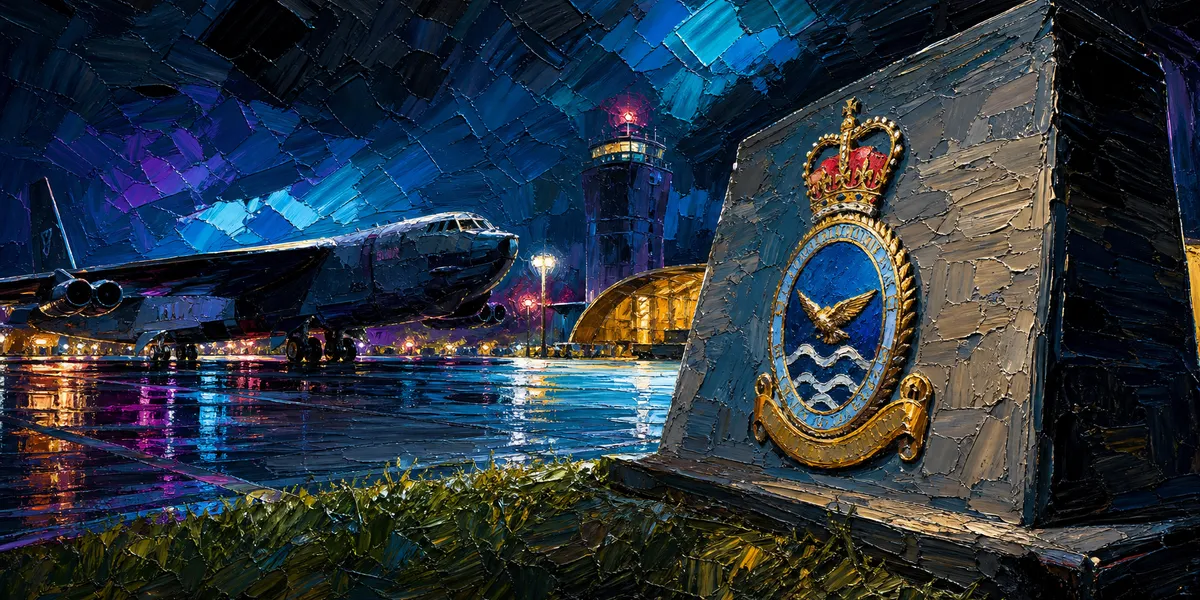
Suspected Terror Plot at RAF Fairford
Updated 7 updatessince 135 outlets
The investigation into a suspected terror plot targeting RAF Fairford has led to multiple arrests, including foreign nationals, amidst heightened security concerns, with the US redeploying bombers as a precaution.
Timeline
Now
US Pulls All Bombers From RAF Fairford
De-escalationAll 12 B-1 Air Force bombers were rapidly redeployed from RAF Fairford back to the United States following reports of a potential Iranian threat and ongoing investigations related to a suspected terror plot.
7 sources · BBC, New York Times
UK Government insisted on Monday that RAF Fairford remains safe, emphasizing security measures in place after the United States withdrew all B-1 bombers due to threats.
12 sources · BBC, New York Times
27-year-old dual UK-Iranian national was arrested in Westminster as part of an ongoing investigation into a security incident at RAF Fairford. Police indicate the situation is complex, with multiple lines of inquiry being pursued.
10 sources · Anadolu Ajansı, UK Defence Journal
Marco Rubio confirmed that a 'foreign actor' was involved in the suspected terrorist plot near RAF Fairford, which escalated concerns surrounding the incident's potential ramifications.
18 sources · The Irish Times, Fox News
Police release five suspects on bail
De-escalationFive British nationals arrested near RAF Fairford on suspicion of planning a terrorist act have been released on bail with conditions.
19 sources · Bloomberg, NPR
British counterterrorism police are examining possible Iranian involvement in a bomb plot against RAF Fairford after five suspects were arrested.
31 sources · New York Times, The Guardian
UK Counter Terrorism Policing arrested five British nationals in Gloucestershire on suspicion of terrorism related to a bomb plot targeting RAF Fairford.
87 sources · https://www.outlookindia.com/, Rediff.com India Ltd.
- Origin Sep 28, 2026
The story so far
As of October 6, 2026
Five British men in their early to mid‑20s were arrested after armed officers intercepted three suspicious white vans heading toward RAF Fairford, a UK base that hosts US Air Force units. The stop, just after 12:45 a.m. near the village of Whelford, triggered a major response: about 85 households were evacuated, a 400‑meter cordon was set, and army bomb specialists examined the vehicles. Counter Terrorism Policing is leading the case on suspicion of preparation of a terrorist act and offences under the Explosives Act.
The investigation has widened and produced clearer facts. No explosive devices were found in the three vans, though police recovered petrol. The five London‑based suspects were released on bail with conditions and remain under investigation. A 27‑year‑old dual UK‑Iranian was then arrested in Westminster on suspicion of preparing terrorist acts, and on Tuesday a seventh man, aged 22, was arrested in London as the case broadened. Police say they are testing every line, including whether any of the men were working for a foreign state or its proxies, knowingly or not.
What makes this more than a local scare is the target and what has now moved because of it. RAF Fairford has been used to launch US bomber sorties against Iran. Over the weekend the United States pulled roughly a dozen B‑1 bombers out of Fairford and sent them back to their home bases after threat reporting that included a possible Iranian drone attack, even as the Fairford probe continued. Some aircraft had arrived only days earlier, underscoring the speed of the move. London has insisted the base is safe and Washington has said it can launch long‑range missions from the United States. The UK prime minister said there are strong indications Iran played a part in the Fairford incident; Iran’s foreign minister rejected that.
The story now is whether a foreign hand sought to hit US forces on UK soil and whether that pressure can force operational changes without an attack succeeding. Fairford’s role in strikes on Iran explains why there was a US security alert, why another US‑used base raised its posture, and why the bombers were pulled back. The absence of a found device, and the recovery of petrol, shifts the question from how close an explosives plot came to whether a different method was intended. A second thread is how the plot surfaced: a local tip about three vans and masked men triggered the arrests, while the US president said the suspects had been under joint US‑UK surveillance for a long time. Whether this was disrupted by chance vigilance or by earlier tracking will shape how both governments account for their cooperation and how urgently police look for accomplices beyond those already arrested.
Each entry is synthesized by AI from the reports linked on it, and labeled with the kind of change it represents. How Frameshift works · What the labels mean · Report an error
In the app
Read this timeline in Frameshift
Four stories are free on the web. The full Vault, with every timeline and brief, is in the app.