
DevelopingPoliticsTimeline
Brazil's 2026 General Election
Updated 14 updatessince 117 outlets
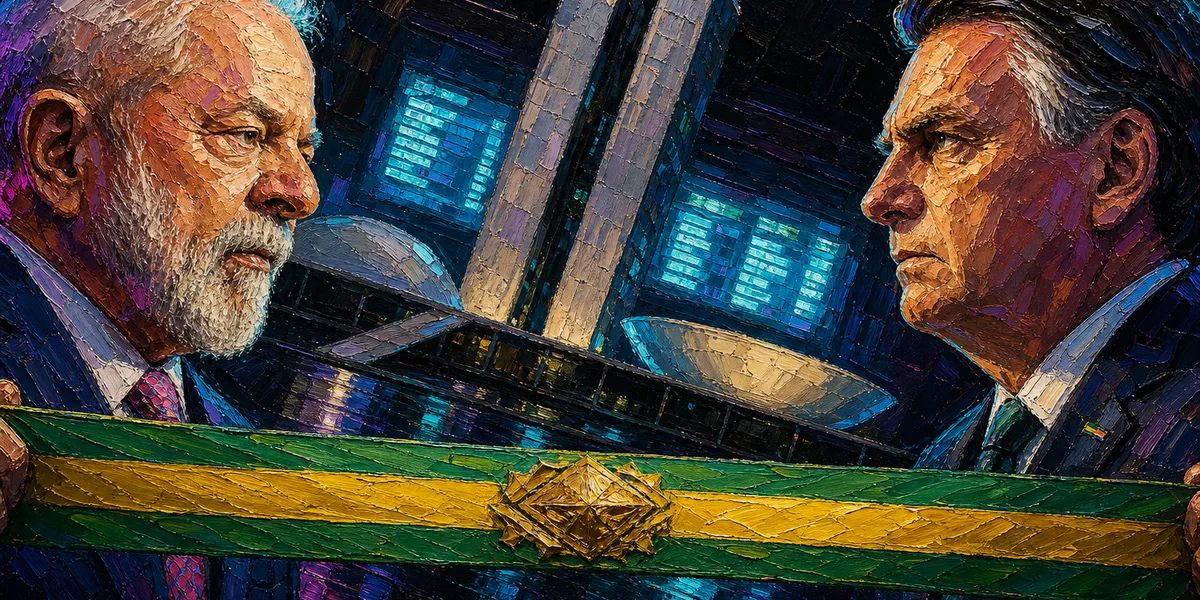
The 2026 Brazilian general election features a closely contested race between incumbent President Luiz Inácio Lula da Silva and Senator Flávio Bolsonaro, with voting now underway.
Open questions
- Do U.S. tariffs end up helping Lula or hurting him?
- Do allegations against Lula’s son move undecideds or fizzle?
- Did Milei’s insult boost Bolsonaro’s base or alienate moderates?
Timeline
Now
Brazilians have begun voting in the presidential election featuring incumbent Luiz Inácio Lula da Silva and Senator Flávio Bolsonaro.
27 sources · Al Jazeera Online, Houston Chronicle
Final polling data released today suggests that President Luiz Inácio Lula da Silva and Senator Flávio Bolsonaro are in a closely contested race with neither likely to secure a majority in the first round.
18 sources · CNN, Newsweek
Final Day of Campaigning Heats Up
EscalationOn the eve of the presidential election, President Luiz Inácio Lula da Silva and Senator Flávio Bolsonaro ramped up their campaigning in key locations.
24 sources · France 24, CNBC
Lula Critiques U.S. During UN Address
EscalationLuiz Inácio Lula da Silva addressed the United Nations General Assembly, criticizing U.S. tariffs and asserting Brazil's right to sovereignty.
8 sources · AP, Theconversation
New polling data reveals that President Luiz Inácio Lula da Silva's lead over Senator Flávio Bolsonaro is narrowing, with Lula at 42% and Bolsonaro at 41% in some surveys, reflecting heightened scrutiny due to corruption allegations involving Lula's son.
4 sources · Reuters, Al Jazeera
New poll conducted by Nexus shows President Luiz Inácio Lula da Silva and Senator Flávio Bolsonaro are technically tied with Lula at 46% and Bolsonaro at 45% in a potential runoff scenario.
4 sources · Reuters, Foreign Policy
Luiz Inácio Lula da Silva, the 80-year-old incumbent president, formally announced his candidacy for a fourth term during a packed convention of the Workers' Party in São Paulo.
24 sources · Al Jazeera, France 24
Argentine President Javier Milei endorsed Flávio Bolsonaro during the PL National Convention in São Paulo, branding Lula a 'thief' and 'socialist trash.' Brazilian officials condemned Milei's remarks, with the Foreign Ministry recalling Brazil's ambassador to Argentina.
18 sources · BBC, Reuters
Flávio Bolsonaro's candidacy for the 2026 Brazilian presidential election was officially launched at a national convention in São Paulo. Despite past controversies and a polling deficit against incumbent President Luiz Inácio Lula da Silva, Flávio aims to leverage his family legacy and support from key allies like…
7 sources · Bloomberg, Reuters
Brazil Retaliates Over New US Tariffs
EscalationBrazil's President Luiz Inácio Lula da Silva's office stated it would immediately implement retaliatory measures in response to the U.S. imposing 25% tariffs on certain Brazilian imports.
12 sources · Reuters, The Guardian
Luiz Inácio Lula da Silva and Flávio Bolsonaro exchanged heated comments regarding proposed U.S. tariffs on Brazilian products. Bolsonaro suggested that U.S. tariff pressure could politically benefit Lula, while Lula denounced the tariffs and accused the Bolsonaro family of treason against Brazil.
4 sources · BBC, Reuters
President Trump and Brazilian President Luiz Inácio Lula da Silva met for three hours at the White House, discussing key issues such as trade and security. The initially planned press appearance was canceled at Lula's request, reflecting a need for a more controlled dialogue.
14 sources · BBC, New York Times
Luiz Inácio Lula da Silva confirmed that Vice President Geraldo Alckmin will be his running mate for the October election, requiring Alckmin to resign from his ministerial role to comply with electoral law.
8 sources · Bloomberg, Reuters
Covered by 4 outlets
5 sources · Bloomberg, Business Standard
- Origin Jan 8, 2026
The story so far
As of October 4, 2026
Brazil is voting in a presidential race defined by two familiar names: incumbent Luiz Inácio Lula da Silva, 80, and Senator Flávio Bolsonaro, 45, the eldest son of jailed former president Jair Bolsonaro. Final polls put both in the mid‑40s with neither likely to clear a majority, making a second round between the top two on October 25 the most probable outcome. Nearly 159 million Brazilians are eligible to vote in an election that has drawn high interest but low enthusiasm for either frontrunner.
What this contest has turned into is a referendum on whether the Bolsonaro movement returns to the presidency despite Jair Bolsonaro’s conviction and 27‑year sentence over the 2022 aftermath. Flávio has pledged to pardon his father if he wins, so the ballot now carries a concrete decision about that legacy alongside the next four years of government. Both leading campaigns have high rejection rates and leaned on attacks instead of policy, skipping major TV debates while their online teams flooded social media with rapid‑response videos and AI‑doctored imagery.
The closeness of the race is explained by a mix of pocketbook stress, crime fears, and twin corruption drags. Lula enters with low unemployment and slower inflation but soft approval and voter frustration over living costs, while facing fresh scrutiny from allegations involving his son. Flávio remains competitive despite being under investigation over financing a biopic about his father, and despite Brazil’s biggest fraud scandal in years roiling the backdrop. Crime is salient in key states such as Bahia and Rio de Janeiro, women’s votes are pivotal after deciding 2022, and São Paulo’s outsized share of the electorate concentrates both campaigns’ efforts.
Foreign cross‑currents sharpen the stakes. Lula has framed the race as defending Brazil’s sovereignty after a year that included a 50% U.S. tariff on Brazilian imports and his UN speech criticizing such measures; Flávio signals closer alignment with Washington and has courted conservative allies abroad. Argentina’s Javier Milei openly backed Flávio, prompting Brazil to recall its ambassador, an episode that underlined how the campaign spills past borders. As first‑round results come in, watch turnout among low‑income voters who favor Lula, wealthier blocs where Flávio leads, whether either breaks 50%, and how the small‑party vote reassigns in a likely three‑week runoff fight.
Each entry is synthesized by AI from the reports linked on it, and labeled with the kind of change it represents. How Frameshift works · What the labels mean · Report an error
In the app
Read this timeline in Frameshift
Four stories are free on the web. The full Vault, with every timeline and brief, is in the app.